ICOM IC-A25N Handheld NAV/COM Transceiver w/ Bluetooth – Open Box: Versatile Cockpit and Ground Communication
ICOM IC-A25N Handheld NAV/COM Transceiver w/ Bluetooth – Open Box: Versatile Cockpit and Ground Communication
Blog Article
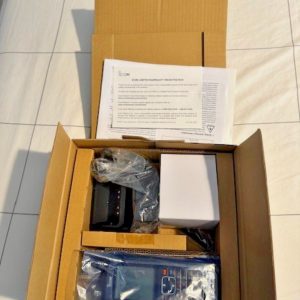
:::writingvariant="document" id="58314" ICOM IC-A25N Handheld NAV/COM Transceiver w/ Bluetooth – Open Box: Versatile Cockpit and Ground Communication The ICOM IC-A25N Handheld NAV/COM Transceiver w/ Bluetooth – Open Box is designed for aviation users seeking a capable portable radio that can support communication and navigation-related operations. A carefully inspected open-box package can offer the operational benefits of a premium handheld aviation radio while helping owners control equipment costs. The ICOM IC-A25N Handheld NAV offers a flexible option for private pilots, commercial operators, instructors, aviation students, and support personnel. As an ICOM IC-A25N Aviation Radio, the transceiver may be used during normal flight operations, communication training, airport monitoring, ground coordination, and emergency preparation. A portable ICOM IC-A25N Handheld Radio supports flexible aviation operations because it can remain with the pilot rather than being permanently installed in one aircraft. A Handheld NAV/COM Aviation Transceiver can reduce the need to carry separate portable communication and navigation receivers for certain aviation tasks. Whether the requirement is a Handheld Aviation Radio, Aviation NAV/COM Radio, Pilot Handheld Radio, or Aircraft Communication Radio, buyers should review package condition, included accessories, battery health, and operational compatibility before purchase. The product can support pilots seeking a Portable Aviation Transceiver, Aviation Navigation Radio, ICOM Pilot click here Radio, or dependable Backup Aircraft Radio.
Overview of the ICOM IC-A25N Aviation Radio
The radio’s portable construction allows it to support aircraft operations before departure, during flight, after landing, or while personnel are working around the airport. Its practical value comes from combining mobility, recognizable controls, aviation-focused operation, rechargeable power, and multiple communication or navigation functions. Real-world results depend on setup, antenna use, radio configuration, location, surrounding structures, and the condition of the complete package. Familiarity transforms a portable radio from stored equipment into a practical and dependable operational resource.ICOM IC-A25N Handheld NAV Applications
An ICOM IC-A25N Handheld NAV may help pilots monitor frequencies, organize flight-related information, and maintain portable communication capability. Private pilots may carry the device during cross-country flights, aircraft repositioning, fly-ins, or travel in rented airplanes. Pilots should verify information using suitable aviation references and avoid relying on one portable device for every navigation decision. Organized cockpit placement improves access while protecting the radio from impact, movement, moisture, and accidental activation.ICOM IC-A25N Aviation Radio for Pilots
The radio may be useful to pilots operating aircraft with limited avionics, temporary communication problems, or different cockpit configurations. Aircraft sales organizations may keep handheld radios available during demonstrations, repositioning, delivery preparation, and customer familiarization. Buyers should consider the radio’s physical condition, battery age, charging equipment, antenna, clips, headset accessories, manuals, packaging, and evidence of proper operation. Testing should occur in a lawful and appropriate manner without creating unauthorized transmissions or interfering with aviation communications.Carrying the ICOM IC-A25N Handheld Radio
The handheld format allows the radio to move with the pilot between personal, rental, training, business, and club aircraft. Responsible storage preserves physical condition and improves the likelihood that the radio will function correctly when needed. Users can review the interface in a quiet environment rather than learning controls during engine operation or busy airport activity. The radio should be removed from environments where condensation, fuel, oil, cleaning products, or maintenance debris may cause damage.Using a Handheld NAV/COM Aviation Transceiver
A Handheld NAV/COM Aviation Transceiver combines portable communication and navigation-related capability within one device, making it useful for pilots who value multifunction equipment. Users should consider how frequently the radio will be carried, whether Bluetooth is required, and which accessories are needed for their aircraft or headset. A brief function check can identify weak battery performance, loose accessories, damaged connectors, or configuration problems before departure. Regular care supports reliable operation, protects resale value, and reduces the risk of missing components.Handheld Aviation Radio Applications
A handheld aviation device can support monitoring and communication activities from the cockpit, ramp, hangar, or operations office. The radio can also provide useful redundancy when an installed communication system experiences an unexpected problem. Accessories such as approved headset connections or suitable external antenna arrangements may influence convenience and performance. Pilots must use aviation frequencies responsibly and comply with applicable licensing, authorization, frequency, and communication requirements.Choosing an Aviation NAV/COM Radio
An integrated aviation radio can provide a convenient secondary tool during flight planning, cockpit preparation, and selected in-flight operations. A portable radio should support cockpit management rather than add unnecessary workload. The radio’s navigation-related functions should be used within the limits described by the manufacturer and the requirements of the intended operation. Paired accessories and Bluetooth connections should be tested so unexpected setup issues do not occur during flight.Pilot Handheld Radio Benefits
A Pilot Handheld Radio can provide useful communication redundancy during cross-country flights, aircraft delivery, rental operations, training, and travel to unfamiliar airports. Good cockpit organization reduces workload and prevents backup equipment from becoming difficult to reach when needed. A pilot should practice basic operations such as powering on, selecting a frequency, adjusting audio, transmitting appropriately, using memory functions, and checking battery status. Pilots may consider carrying an appropriate backup power option when supported by the equipment and mission requirements.Portable Aircraft Communication Radio
The IC-A25N can become part of an organized communication strategy for private pilots and aviation businesses. Pilots should listen before transmitting, speak clearly, keep messages relevant, and verify that the correct frequency is selected. Buildings and hangar structures can also reduce radio performance during ground use. Qualified repair or manufacturer-supported service may be appropriate for electronic problems that cannot be corrected through normal setup.Maintaining a Portable Aviation Transceiver
The device can support airport ground activities, remote-airfield operations, aircraft inspections, maintenance coordination, and flight preparation. A protective case can separate the radio from tools, keys, metal objects, liquids, and heavy equipment inside a flight bag. Users should understand how to disconnect or change the wireless connection if audio is routed incorrectly during operation. Pilots should avoid troubleshooting complicated pairing issues during high-workload phases of flight.Choosing an Aviation Communication Device
The ideal device balances functionality with an interface the user understands and can operate confidently. The seller should explain the product’s status and disclose any evidence of use, missing materials, registration, or cosmetic handling. Organized equipment management helps ensure that the radio remains available and serviceable for the next user. A well-managed Aviation Communication Device can support efficient and dependable operations across many aviation roles.Choosing a Handheld Aircraft Radio
The radio’s portable form allows pilots to monitor or communicate without remaining seated at the aircraft instrument panel. Portable operation can improve flexibility at remote airfields or maintenance locations with limited infrastructure. Cockpit use requires secure storage and careful cable management so the radio does not interfere with flight controls, doors, seat adjustment, or emergency movement. After ground or cockpit use, the radio should be checked for dirt, moisture, fuel residue, oil, impact damage, and accessory wear.Aviation Navigation Radio Applications
The IC-A25N may appeal to pilots who want more than communication capability from their handheld flight-bag radio. A demonstration or careful manual review can help users understand displays, menus, stored information, and navigation-related controls. Navigation information should be cross-checked with current aviation references and suitable cockpit equipment for the planned operation. Regular checks should confirm that stored information, settings, battery status, and display performance remain suitable for use.Choosing an ICOM Pilot Radio
An ICOM handheld can become a standard part of a flight bag for pilots who regularly operate rented, shared, or personally owned aircraft. Even a well-regarded radio should be tested for power, audio, charging, display, controls, battery condition, and physical damage. The device should support the pilot’s normal workflow rather than requiring accessories or procedures that are inconvenient or incompatible. Periodic practice ensures that the user remains confident with essential functions as time passes.Emergency Aviation Radio Benefits
An Emergency Aviation Radio can provide an additional communication option when installed aircraft equipment becomes unavailable because of electrical, equipment, or operational problems. The radio should be positioned where it can be reached without searching through baggage during an urgent situation. Redundancy is strongest when the user has more than one practical method of hearing and transmitting with the device. Emergency equipment checks can be scheduled with annual inspections, proficiency reviews, seasonal preparation, or flight-bag audits.Backup Aircraft Radio Benefits
A Backup Aircraft Radio provides communication redundancy for pilots who want an alternative to the primary panel-mounted transceiver. Stored batteries can lose capacity, accessories can become misplaced, settings can change, and physical damage may go unnoticed. The pilot should determine whether the radio will be operated through its built-in audio, Bluetooth accessory, or wired headset connection. With thoughtful preparation, a Backup Aircraft Radio can provide valuable confidence without creating unnecessary cockpit complexity.Evaluating an Open-Box Aviation Radio
A careful physical review helps determine whether the product condition matches the seller’s open-box description. Transparent answers allow the buyer to distinguish a nearly unused open-box product from a lightly used or incomplete package. The Bluetooth system should be checked for pairing, audio routing, connection stability, and compatibility with supported equipment. Shipment photographs can document package contents and physical condition before dispatch.Routine Care for a Handheld Aviation Radio
A handheld aviation radio can provide many years of useful service when it is protected from impact, moisture, heat, contamination, and careless storage. Reliable readiness comes from planned inspection, charging, practice, and responsible storage.- Inspect the radio body, display, antenna, battery, charger, controls, connectors, clips, cables, and included accessories before important operations.
- Keep the operating guide or a simple quick-reference resource accessible until important functions are fully familiar.
- Record any missing component, operating concern, battery issue, or required service before returning the radio to backup status.